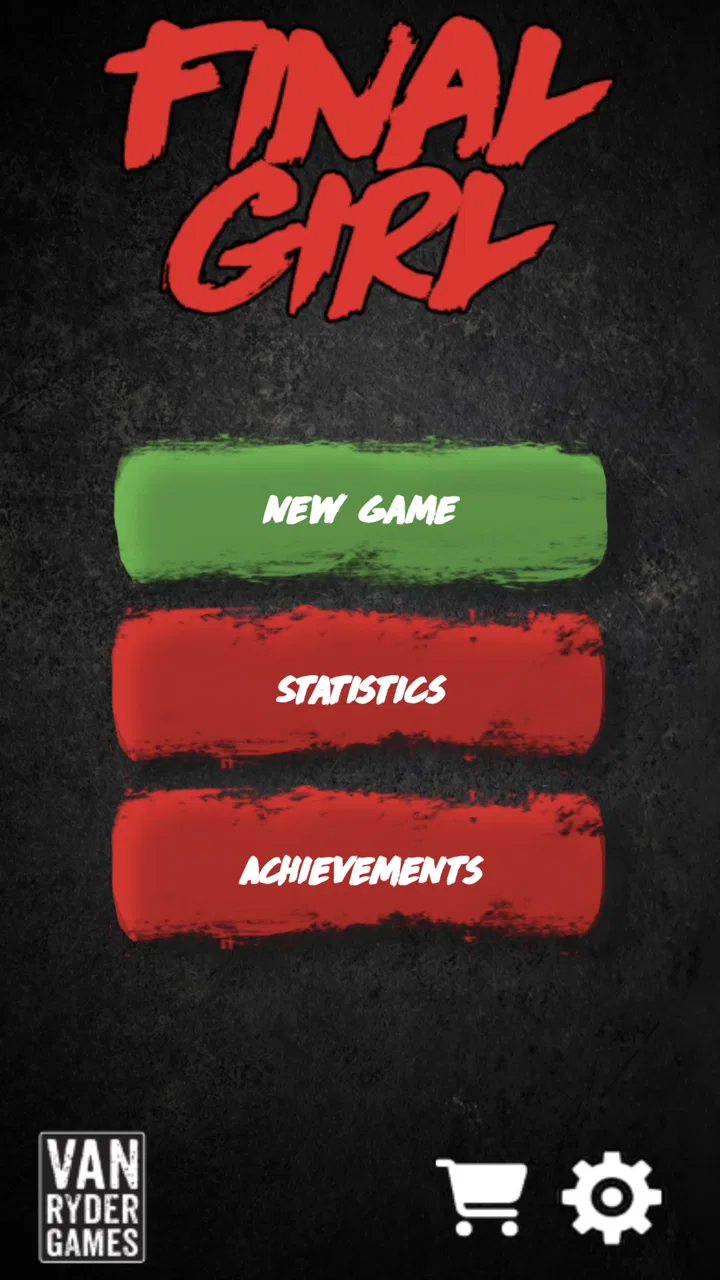
Final Girl Companion
- 4.6
- Rating
- 10.00K
- Installs
- $2.99
- Price

 Analysis by App-foxy
I approached Final Girl Companion as the kind of board-game helper you keep nearby while the physical game takes over the table. It is not a standalone digital replacement for Final Girl, and that distinction matters from the first minute. The app is designed to support Van Ryder Games’ cooperative horror board game, while the cards, tokens, boards, and rules remain part of the experience. In my sessions, its value came from reducing the amount of reference work around the table rather than trying to turn a tactile game into a phone game.
That makes it an interesting choice for a shared household. One person can hold the device, another can manage the physical components, and everyone can look at the same screen when a decision needs checking. It also creates a small practical question: whose device is being used, and who is responsible for keeping the session moving? The app works best when the group agrees on that before play begins. Without that simple arrangement, the phone can become another object passed around the table instead of a useful companion.
How it fits into a shared Final Girl session
The first thing I noticed is that this is a board-game companion, not a general board-game library and not a digital adaptation meant to replace the box. The store summary describes it as a companion app for Final Girl, and that is the right expectation. I would not install it expecting an interactive tutorial, a solo video game, or a complete way to play without the physical product. I would install it when I already wanted to play Final Girl and preferred having a dedicated digital aid available.
You May Also Like

 Blood Strike: 2.5 Anniversary
Blood Strike’s Loadouts Turn Every Drop Into a Tactical Gamble
A close look at Blood Strike’s custom loadouts: how fast access to signature weapons reshapes its battle royale rhythm, rewards preparation, and narrows the gap between fights.

 Pandora - Music & Podcasts
Pandora’s Music Is Easy to Start, but Harder to Recover
Pandora’s strength is its low-effort path from a seed to a station. Its weak spot is how much confidence it asks you to place in connection, setup, and quiet recovery.

 8 Ball Pool
 Is Built on Rivalries, Rematches, and Routine
A close look at the rivalries, rematches, shared routines, and unanswered safety questions that turn a quick pool match into a persistent mobile community.

 Samsung Music
’s Quiet Strength Is Playing What You Already Own
Its reach comes less from spectacle than from dependable access to a personal library. That simplicity is both the app’s strongest retention engine and its ceiling.

 AccuWeather: Weather Radar
AccuWeather Review: A Quick, Clear Forecast for Everyday Decisions
For everyday plans, the best forecast is the one you can understand quickly. AccuWeather makes rain timing, radar, and local conditions easy to act on, with a few trade-offs.

 Hill Climb Racing
Why Hill Climb Racing Still Turns Crashes Into One More Run
A tiny car, a bumpy hill and one more upgrade: Hill Climb Racing keeps resurfacing because its simple chaos makes every near-miss feel personal.
More From Our News Desk



In a normal household scenario, the app can sit on a phone or tablet at one side of the table while the group handles the board in front of it. Imagine an evening in which one player takes the role of the person checking the app whenever the game reaches a point that calls for reference. That player does not need to own the whole session, but assigning the job avoids the familiar problem of three people reaching for the same device at once. It also helps younger or less experienced players follow along, because the information is being checked in one visible place rather than quietly handled by the person who already knows the rules.
I found that arrangement more comfortable than treating the app as a personal utility. A board game is social, and a companion screen can either support that social rhythm or interrupt it. The difference is mostly in how deliberately the group uses it. If the phone stays face-up and the person holding it reads relevant information aloud, the app becomes part of the shared table. If one player repeatedly disappears into the screen, the physical game starts to feel secondary.
That is also where the app’s category matters. As a board game companion, it should be judged against rulebooks, reference cards, and memory—not against large digital board games with animations, matchmaking, or automated opponents. I prefer it when I want the physical components and the atmosphere they create. If my priority were instant setup, automatic bookkeeping, or playing while nobody else is available, I would look for a fully digital alternative instead.
What I would prepare before handing over the device
For a household session, I would decide in advance whether the app belongs to the whole table or to one designated player. That sounds minor, but it prevents a lot of friction. A shared device is especially useful when the screen is large enough for several people to read, while a small phone is better treated as a reference held by one person. I would also make sure the person using it understands that the physical Final Girl game remains essential. This avoids the disappointment of opening the app alone and expecting the complete game to be waiting there.
The app is available for Android, with a minimum operating-system requirement of Android 9. That makes the compatibility question fairly straightforward for many current devices, but it still deserves attention in a household where an older spare phone is being used. I would check the device before planning a game night rather than discovering the limitation after everyone has set up the table.
The current version is 1.3.0, so I would keep the installation reasonably current before a planned session. I do not treat an update as something to do halfway through a game. On a shared family device, that means checking it earlier, especially if the device has not been used recently. This is one of those unglamorous habits that makes a companion app feel dependable: prepare the screen before the players arrive, not when the first decision is already waiting.
Another useful boundary is separating the app from personal accounts and private content. I would not hand a shared household device to a child or guest without first checking what else is open on it. That is not a criticism of this particular game; it is sensible device etiquette. A companion app used at the table should not become an excuse for exposing unrelated notifications, messages, or browsing tabs. Keeping the device in a neutral, game-only state makes the session more comfortable for everyone.
Coordination is the real reason to use it
The strongest case for this app is coordination. Final Girl involves a lot of attention moving between the physical game and the rules that explain what happens next. A dedicated companion can make those moments less dependent on the one player who has read everything beforehand. In my view, that is more valuable than simply saving a few seconds. It gives the group a common reference point and makes it easier for a new player to participate without constantly asking the most experienced person to translate the rules.
I would use a simple table routine: the active player explains the situation, the device holder checks the relevant information, and the group confirms the result before anyone moves a token or changes the board. That routine keeps the app from becoming an authority hidden in one person’s hands. It also reduces accidental disagreements, because the group is making the interpretation together rather than relying on a quick glance that nobody else saw.
There is a trade-off, though. The person assigned to the device can become a bottleneck. If that player is also making strategic decisions, the app may pull their attention in two directions. I would rotate the responsibility between scenes or sessions, or give it to the player who is most comfortable with reference material. That is a small but important distinction: the best device holder is not necessarily the person who knows the game best. Sometimes a newer player benefits from the role because it gives them a concrete way to learn the flow.
A second practical tip is to keep physical components organized before consulting the screen. If tokens and cards are scattered, the app cannot solve the underlying confusion. I found that digital guidance is most helpful when the table already has a clear physical layout. The app should answer a question, not replace basic table organization. This is especially relevant in a household where several people may join or leave the session and nobody has a permanent seat.
For solo play, the arrangement changes. I would expect the app to be more convenient because there is no need to pass the device around, but it also means the entire burden of checking, reading, and managing the physical game sits with one person. That can be satisfying for someone who likes a methodical experience, yet it is not automatically simpler than using the rulebook. If I wanted a fast, low-effort solo game, I would be cautious about assuming that a companion app alone would provide that.
Age, trust, and the tone of the table
The listed content rating is Teen, which is an important signal for households. Final Girl is built around horror themes, so I would not treat this as a neutral family board-game helper just because the app itself is used alongside physical components. Whether it suits a particular teenager depends on their comfort with the game’s atmosphere and subject matter, not only on whether they can operate the device.
For a mixed-age household, I would decide who is joining before setting up the session. Younger children may enjoy the dramatic structure of a board game but still find the horror framing uncomfortable. A parent or guardian can make that call better than a generic age label can. I also would not assume that a teen using the app alone understands every boundary around the physical game, the device, or any purchases connected with it. A quick conversation is more useful than treating the rating as a complete answer.
The app costs $2.99, and in-app items are listed from $1.99 to $3.99 each. That pricing structure makes it worth discussing the purchase with anyone who shares the device, particularly if a child uses the household account. I would make sure the person starting the game knows which content has already been bought and who is allowed to approve additional purchases. The important point is not simply the initial cost; it is keeping the purchase boundary clear when several people use the same phone or tablet.
I appreciate that this is a case where household trust matters more than technical assumptions. I would not describe the app as a family-management tool, and I would not expect it to decide who can buy something or who should access the device. Those responsibilities stay with the owner of the account and the adults managing the household. The app can support a shared game, but it does not replace a shared agreement.
That also affects privacy and comfort at the table. If a teenager is the device holder, they should not be pressured to reveal unrelated personal information simply because the phone is being used for the game. If an adult owns the device, the same courtesy applies in reverse. A good shared session keeps the game information public while leaving personal device content private.
Where it beats a rulebook, and where it does not
Compared with relying only on the usual rulebook and reference material, the companion app has a clear convenience advantage: it gives the group a focused digital place to consult during play. That can be particularly helpful when the physical table is already crowded. I like the idea of reducing the number of pages and cards that need to remain open while the game is in motion, even though I would still keep the printed rules close for broader questions.
The app is not automatically better than the rulebook in every situation. Printed material is easy to annotate, easy to leave open, and independent of a battery or another person’s phone. It also allows several players to read different sections at once. If the group is learning the game from scratch, a rulebook may offer a more complete overview than a companion focused on supporting play. My preferred setup is not either-or: use the app for quick table reference and the physical rules for learning, edge cases, and deeper clarification.
Against a fully digital board-game adaptation, the comparison is even more specific. A digital adaptation usually handles state changes, enforces rules, and keeps the player from forgetting a step. A companion app leaves the physical management to you. That means more work, but also more control and a stronger connection to the actual board-game components. Players who enjoy drawing cards, moving tokens, and seeing the table develop will probably prefer this approach. Players who want automation should not mistake the companion format for a digital conversion.
Against a general note-taking app or a web search, the dedicated format should feel more appropriate during a session. A generic tool can hold reminders, but it does not give the same sense of being tied to this particular game. On the other hand, a browser search may be faster for a very unusual rules question if the app does not cover it. I would not delete the rulebook or assume one companion can answer every possible dispute. The practical strength is focused support, not universal replacement.
One non-obvious trade-off is that the app can improve fairness while also concentrating authority. When everyone sees the same reference, arguments based on one player’s memory become less common. But if only one person controls the screen, that person can unintentionally become the gatekeeper of information. The solution is simple: read important results aloud and let the table verify the physical consequence. That small habit turns a private lookup into a transparent group decision.
Who will get the most from it?
I would recommend it most strongly to people who already own Final Girl, play often enough to value a dedicated helper, and enjoy keeping the physical board-game experience intact. It is a sensible addition for a regular group that wants smoother reference moments without moving entirely to a screen. It also suits a household where different players have different experience levels, because the app can give newcomers a less intimidating way to follow what is happening.
It may also be useful for a host who runs sessions for friends and does not want to be the only person responsible for remembering every detail. Assigning the app to another player spreads the practical work. That creates a better teaching environment: the host can focus on explaining the broad flow and making the session welcoming, while the device holder handles focused checks as they arise.
I would be more cautious about recommending it to someone who has not bought the physical game. The store short description, Final Girl Companion, is accurate in spirit: the app belongs beside the board game. Without that context, its purpose is limited. I would also hesitate for anyone seeking a quick casual game that can be opened for five minutes, played entirely on a phone, and closed without setup. This is a support tool for a specific tabletop experience, not a general mobile time-killer.
Families should think about the content rating and purchase arrangement before installing it on a child’s device. Teen players who already enjoy horror board games may find the setup natural, while younger children or players sensitive to horror themes may not. The household should also decide whether the app is shared, who holds the device, and who can approve the paid items. Those decisions are more important than simply asking whether the app runs on the phone.
My household verdict after using the companion approach
Final Girl Companion makes sense when I treat it as table infrastructure rather than the main event. Its best contribution is coordination: one shared reference point, fewer interruptions for the person who knows the rules, and a cleaner way to bring less experienced players into the conversation. I especially like it for a planned session where the device can be prepared in advance and one player can take responsibility for keeping the information visible.
The limitations are equally clear. It does not remove the need for the physical Final Girl game, it does not turn a tabletop session into an automated digital game, and it should not be confused with household account management. The Teen rating also means I would consider the game’s horror context before inviting younger family members. Finally, the paid structure deserves a clear agreement on a shared device, since the initial purchase and additional items are separate parts of the decision.
Van Ryder Games has positioned this as a focused companion, and that focus is its main appeal. The app has an average rating of 4.6 from just over a hundred ratings, with more than twenty written reviews, and it has passed ten thousand installs. Those figures suggest a modest but engaged audience rather than a mass-market mobile game. I would read that as reassurance for the intended use, not as proof that it will suit every board-game player.
For me, the buying decision comes down to one question: do I want help managing a physical Final Girl session, or do I want a complete digital game? If it is the first, the $2.99 entry price is easy to understand, provided I am comfortable with the additional in-app items and the app’s Teen context. If it is the second, I would choose a different kind of product. Used with clear device boundaries and a shared table routine, this companion earns its place beside the board rather than competing with it.
FAQs for Final Girl Companion
01What is Final Girl Companion, and what is it used for?
Final Girl Companion is a fan-made utility designed to support tabletop sessions of the Final Girl solo board game. It can help players organize information, track game-related details, and reduce the amount of physical reference material needed during play. It is not the board game itself, nor does it replace the official components, rules, or scenario content required to play.
02Does Final Girl Companion include the complete Final Girl board game?
No. Final Girl Companion should be viewed as a supporting tool rather than a digital version of the complete board game. You will generally still need the physical Final Girl game, feature films, game boards, tokens, cards, and other components to play properly. Before downloading, check the app description and current version details to confirm exactly which features and game elements are supported.
03Is Final Girl Companion suitable for new players?
It can be useful for beginners, especially when learning how to manage information during a solo session, but it is not necessarily a replacement for reading the official rulebook. New players should first understand the basic rules, setup procedures, phases, and special effects of the Final Girl system. The companion works best as a reference and organizational aid once you are familiar with the game.
04Does the app support every Final Girl feature film and expansion?
Support may vary depending on the app version and the content its developer has added. Some companions cover only selected feature films, killers, locations, or scenarios, while others may offer broader tracking options. Because board game expansions are released over time, review the latest store listing, update notes, and in-app menus before downloading if you own several Final Girl boxes or expect complete expansion coverage.
05Does Final Girl Companion require an internet connection or collect personal data?
The app’s connection requirements and privacy practices depend on its implementation and current release. Basic tracking tools may work offline, but downloads, advertisements, synchronization, analytics, or updates could require internet access. Before installing, read the Google Play or App Store privacy section and permissions list carefully. Avoid entering sensitive information, since a companion app should not require unnecessary personal data for normal tabletop use.
Pros
- Tracks scenarios
- items
- and characters in one convenient place.
- Helps organize setup and reduces the need to consult rulebooks.
- Useful reference during solo sessions and campaign play.
- Quick access to game-specific information at the table.
- Can make managing complex Final Girl content more efficient.
Cons
- Requires familiarity with the physical Final Girl board game.
- May not replace every detail found in the official rulebooks.
- Limited usefulness if you own only a small amount of content.
- A phone screen can be distracting during tabletop sessions.
- Compatibility and updates may vary as new content is released.

Final Girl Companion
Gallery